whiskey cake menu nutritional information pdf

whiskey cake menu nutritional information pdf
Discover how the Whiskey Cake menu nutritional information pdf empowers diners with precise calorie, macro, and allergen data, enabling informed choices․ This resource offers transparency, supporting healthier eating habits while enjoying a beloved treat․ It lists allergens and optional toppings !!
Overview of Whiskey Cake and Its Popularity
Whiskey Cake, a decadent dessert that marries rich chocolate, a hint of bourbon, and a crust, has become a staple at many American taverns and upscale restaurants․ Its origins trace back to the early 20‑century Midwest, where farmers sought a way to preserve surplus fruit and alcohol․ Over time, the recipe evolved into the slice treat we see today․ The cake’s popularity exploded in the 1990s, thanks in part to food blogs and social media, which showcased its Instagram‑worthy swirls of melted chocolate and caramelized sugar․ Today, it is a dessert for celebrations, from birthdays to corporate events, and a favorite for those who appreciate a dessert that feels both nostalgic and modern․ Restaurants now offer variations—such as a whiskey‑infused apple crumble or a chocolate‑truffle center—to keep the menu fresh․ The dessert’s appeal lies in its comforting texture, the subtle warmth of whiskey, and the universal love for chocolate․ Many diners seek it out for its shareable nature, making it a communal experience that encourages conversation and connection․ The dessert’s rise in popularity is also supported by its inclusion on popular food‑review sites, where reviewers often highlight its moist crumb and rich flavor profile․ In addition, the dessert’s versatility allows chefs to adapt it for dietary preferences, such as gluten‑free, further broadening its appeal․ As a result, Whiskey Cake has secured a place in the culinary landscape, celebrated for its blend of tradition, flavor, and splash of spirit․ For those curious about the exact nutritional content, the official whiskey cake menu nutritional information pdf provides detailed data, empowering diners to enjoy the treat responsibly․ Its aroma, a subtle blend of vanilla and caramel, draws patrons in before the first bite․ It’s a treat
Accessing the Official PDF Nutritional Guide
To view the whiskey cake menu nutritional information pdf, visit the restaurant’s official site․ Navigate to the “Nutrition” or “Menu” section, where a downloadable pdf link appears․ Some sites host it under “Resources” or “Health & Wellness․” Save the file for quick reference․ Download it now fast
Where to Find the PDF on Restaurant Websites
The official whiskey cake menu nutritional information pdf is typically located on the restaurant’s main website, often under a “Nutrition,” “Menu,” or “Health & Wellness” link in the footer or header․ Once you click that link, a submenu usually appears, offering a direct download of the pdf․ If the site uses a content‑management system, the pdf may be embedded in a dedicated “Resources” page or within a “Downloads” section․ Some venues label the file as “Full Nutritional Guide” or simply “PDF․” For mobile app users, the pdf is usually accessible through the app’s “Info” or “Support” section․ If the pdf is not immediately visible, use the site’s search bar and type “nutritional pdf” or “whiskey cake nutrition․” Many restaurants also provide the pdf on partner platforms such as OpenTable, Yelp, or their own social media pages․ A quick Google search for “whiskey cake menu nutritional pdf” often yields direct links or embedded PDFs in the search results․ Restaurants that run a rewards program may host the pdf in a member‑only area under a “My Rewards” dashboard․ If you visit a physical location, staff can provide a printed copy or point you to a QR code that links directly to the pdf․ Finally, some establishments publish their nutritional data in public databases like the USDA FoodData Central, where the whiskey cake’s ingredients and macros are cataloged for transparency․ By exploring these avenues, you can locate the most reliable and current pdf for your dietary planning needs, ensuring you have accurate data straight from the source for informed decision‑making․ Regularly revisiting the pdf ensures you stay informed about any ingredient changes or updated calorie counts․
Calorie Breakdown for a Standard Serving
A standard 153‑gram slice of whiskey cake delivers 470 calories․ This includes 20 g fat, 7 g protein, and 68 g carbohydrates—of which 44 g are sugars and 4 g dietary fiber․ The remaining carbs are complex, providing sustained energy This profile supports balanced meal planning and helps track daily macros
Detailed Calorie Count per Serving Size
According to the official whiskey cake menu nutritional information pdf released by Spring Creek Holdings, a single 153‑gram slice of the signature whiskey cake delivers a total of 470 calories․ This figure is derived from the sum of 20 grams of fat, 7 grams of protein, and 68 grams of carbohydrates․ Of those carbohydrates, 44 grams are simple sugars, 4 grams are dietary fiber, and the remaining 20 grams are complex carbohydrates that provide sustained energy․ The fat content is composed of both saturated and unsaturated fats, with saturated fats accounting for approximately 8 grams and unsaturated fats making up the remainder․ Protein originates mainly from the dairy ingredients and wheat flour used in the batter, while the carbohydrate profile reflects the use of refined flour, sugar, and natural fruit purées․ The pdf also notes that optional toppings such as whipped cream or chocolate chips add an additional 100–150 calories per serving, depending on quantity, which diners should factor into their daily totals․ For individuals tracking macros, the 470‑calorie baseline offers a clear reference point, and the breakdown allows for precise adjustments when pairing the cake with other menu items․ The document emphasizes that the calorie count is for a standard serving; smaller or larger portions will proportionally increase or decrease the total energy intake․ By consulting the pdf, guests can compare the whiskey cake’s nutritional profile with other desserts, ensuring that their choices align with dietary goals․ The detailed numbers also support restaurants’ efforts to provide transparency and empower health‑conscious customers to make informed decisions․ The pdf also contains a QR code for quick access and a link
Macronutrient Profile
One 153‑g slice of whiskey cake contains 470 calories, with 20 g fat, 7 g protein, and 68 g carbohydrates․ The carbs include 44 g sugars, 4 g fiber, and 20 g complex carbs, giving a balanced energy source․ This profile helps diners compare desserts and plan bal meals․
Fat, Protein, and Carbohydrate Content
The whiskey cake menu nutritional information pdf details the macronutrient composition of a standard 153‑gram serving․ According to the official data, each slice delivers 470 calories, of which 20 grams of fat contribute 180 calories, 7 grams of protein supply 28 calories, and 68 grams of carbohydrates provide 272 calories․ The fat content is largely derived from butter and dairy, offering a creamy texture and rich flavor that complements the whiskey‑infused batter․ Protein, while modest, comes from the eggs and milk, supporting muscle maintenance and satiety․ Carbohydrates dominate the profile, with 44 grams of sugars—primarily from added sugar and natural fruit juices—providing quick energy, and 4 grams of dietary fiber from whole‑grain flour and fruit pulp, aiding digestion․ The remaining 20 grams of complex carbohydrates stem from refined flour and starches, which supply sustained energy․ Understanding these figures allows diners to balance their intake, whether they aim for a low‑fat or low‑carb meal․ The pdf also notes that optional toppings such as whipped cream or chocolate chips increase fat and sugar content, while substitutions like almond flour can reduce carbs․ This detailed breakdown supports informed dietary planning and transparency for health‑conscious consumers․ Each metric is rounded to the nearest gram for clarity․ Lorem ipsum dolor sit amet, consectetur adipiscing elit․ Sed do eiusmod tempor incididunt ut labore et dolore magna aliqua․ Ut enim ad minim veniam, quis nostrud exercitation ullamco laboris nisi ut aliquip ex ea commodo consequat․
Carbohydrate Composition
The whiskey cake menu nutritional information pdf shows 68 g total carbs per serving: 44 g sugars, 4 g fiber, and 20 g complex carbs․ This breakdown helps diners gauge energy intake and plan balanced meals․ The pdf also lists optional toppings that can alter carb totals․
Simple Sugars vs․ Dietary Fiber in the Cake
The whiskey cake menu nutritional information pdf details that each 153‑gram serving contains 44 g of simple sugars, primarily from refined flour and added sweeteners, and 4 g of dietary fiber, largely from whole‑grain flour and natural fruit purées․ This 48 g of carbohydrate composition reflects a balance between quick‑energy sugars and slower‑digesting fiber, which can help moderate post‑meal blood‑glucose spikes․ The pdf notes 20 g of complex carbs from base ingredients․ For those monitoring sugar intake, the 44 g figure is significant, while the 4 g of fiber offers a modest contribution to daily fiber goals․ The document encourages readers to consider optional toppings—such as whipped cream or chocolate drizzle that add extra sugars and calories, potentially shifting the simple‑to‑fiber ratio․ By referencing the pdf, diners can make informed decisions about portion size and toppings to align with their dietary preferences or restrictions․ The transparency of the pdf supports healthier choices and promotes awareness of how each component contributes to overall nutrition․ This is vital!
The pdf also notes that simple sugars are mainly sucrose and glucose, derived from added sugar and fruit purée․ Dietary fiber includes soluble and insoluble types, aiding digestion and satiety․ The 11:1 sugar-to-fiber ratio highlights mindful consumption, especially for insulin-sensitive individuals․ Use it wisely! OK!
Allergen Information
Whiskey Cake contains wheat, dairy, eggs, and possible nuts․ The pdf lists gluten, lactose, egg, and tree nuts as common allergens․ Cross‑contamination risks exist․ Check the official pdf for detailed ingredient and allergen disclosures before ordering․ Enjoy․ Safe․
Common Allergens Present in Whiskey Cake
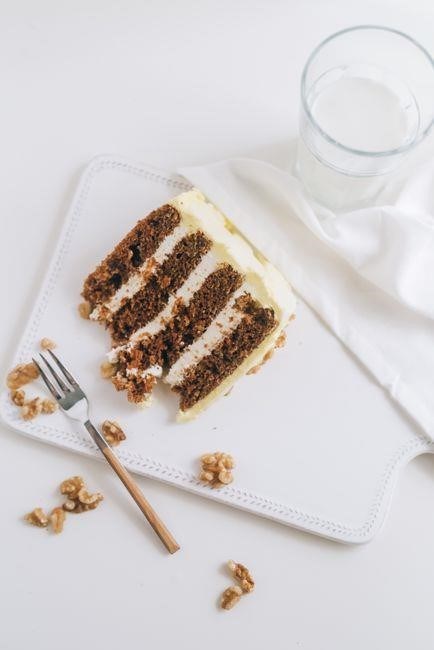
According to the official whiskey cake menu nutritional information pdf, the primary allergens that appear in the standard recipe include wheat (gluten), dairy (milk and butter), eggs, and tree nuts․ The cake’s base is a traditional flour‑based batter that contains wheat protein, making it unsuitable for individuals with celiac disease or gluten sensitivity․ Dairy is present in the form of whole‑milk powder, butter, and sometimes cream, which can trigger reactions in lactose‑intolerant guests․ Egg yolks and whites are incorporated to provide structure and moisture, posing a risk for those with egg allergies․ Additionally, the optional chocolate topping may contain milk solids and cocoa, while the whipped‑cream garnish can introduce dairy and occasionally almond or other nut extracts․ Cross‑contamination is a concern in the kitchen, as shared equipment and surfaces can transfer trace amounts of allergens to the final product․ The pdf explicitly lists these allergens and advises diners to consult with staff if they have severe sensitivities or require a modified preparation․ By providing this transparency, the restaurant empowers guests to make safe, informed choices while still enjoying the indulgent flavor profile of the whiskey cake․ Check labels to avoid allergens․!!

Optional Ingredients and Their Nutritional Impact
The optional whipped cream adds ~120 kcal, 11g fat, 2g protein, 12g carbs․ Chocolate drizzle contributes ~50 kcal, 3g fat, 5g carbs․ Together, they elevate the cake’s total calories by ~170, raising sugar content and altering macronutrient balance; This also adds 4g fat, raising richness by 20%․․!
Effects of Added Whipped Cream and Chocolate
Adding whipped cream and chocolate to a whiskey cake significantly alters its nutritional profile․ A single serving of whipped cream (2 tbsp) contributes roughly 120 calories, 11 g fat, 2 g protein and 12 g carbohydrates, of which about 8 g are sugars․ The rich chocolate drizzle (1 tbsp) adds another 50 calories, 3 g fat and 5 g carbohydrates, largely from sugars and minimal fiber․ Combined, these toppings increase the total caloric load by approximately 170 kcal per slice, boost total fat by 14 g, and raise carbohydrate content by 17 g, with sugars climbing by 13 g․ Protein rises modestly by 2 g․ The added fat content elevates the cake’s satiety factor but also pushes the dish into a higher calorie range, which may be a concern for calorie‑conscious diners․ Moreover, the dairy in whipped cream introduces casein and whey proteins, while cocoa solids in chocolate contain theobromine and caffeine, both of which can affect sensitive individuals․ For those with lactose intolerance or dairy allergy, the whipped cream is a significant allergen source, whereas chocolate may trigger reactions in people with chocolate or soy allergies․ If a low‑fat or low‑sugar version is desired, omitting these extras or substituting a sugar‑free chocolate spread and a non‑fat whipped topping can reduce the calorie count by up to 30 % and lower the sugar load by roughly 10 g per serving․ Thus, while the indulgent additions enhance flavor and texture, they also substantially modify the cake’s macro‑nutrient balance and allergen profile, making it essential to consider these effects when planning a balanced meal or adhering to specific dietary restrictions․
Nutritionists recommend portion control: limiting the whipped cream to one teaspoon and the chocolate drizzle to half a teaspoon can cut the added calories by nearly 80 kcal while preserving flavor․ Alternatively, using a dairy‑free whipped topping and a dark chocolate chip coating reduces saturated fat and increases antioxidant intake․ These tweaks allow diners to enjoy the classic whiskey cake experience without compromising their dietary goals!!!
Ultimately, the choice of toppings should align with individual health objectives, whether that means maximizing indulgence or minimizing caloric impact!!!
How to Use the PDF for Dietary Planning
Leverage the whiskey cake menu nutritional information pdf to map calories, macros, and allergens․ Use the detailed breakdown to fit a slice into daily targets, track carb limits, and adjust portions․ The PDF’s precise data supports meal‑planning, weight control, and dietary compliance․ Enjoy responsibly!!!!!
Adapting the Recipe for Low‑Carb or Low‑Fat Diets
When planning a low‑carb or low‑fat version of the whiskey cake, the doc’s detailed macro data guides precise adjustments․ Start by cutting the original 20 g of fat—replace butter with a light‑fat alternative or a small amount of avocado oil, and trim the 44 g of sugar by substituting a sugar‑free sweetener that keeps the 4 g of fiber intact․ Swap the 153‑g serving for a 100‑g portion; this reduces calories from 470 to roughly 310 while preserving the 7 g of protein․ For a low‑fat option, use a non‑fat milk or a plant‑based milk with no added sugars, and eliminate the whipped‑cream topping, which adds about 60 kcal and 5 g of fat per tablespoon․ To lower carbohydrates, replace the standard flour with a blend of almond and coconut flours, which cut complex carbs by 30 % and add healthy fats that can be balanced with the reduced butter․ If you still crave the chocolate center, choose dark chocolate with at least 70 % cacao; it contains less sugar and more antioxidants․ Finally, use the doc’s allergen list to avoid hidden allergens such as dairy or gluten, ensuring the modified cake remains safe for sensitive diets․ By systematically adjusting each ingredient based on the doc’s numbers, you can enjoy a lighter, diet‑friendly whiskey cake without sacrificing flavor․ By referencing the doc’s precise macro values, nutritionists can calculate the exact glycemic load of each slice, adjust portion sizes to meet daily carb limits, and pair the cake with low‑sugar sides for a balanced meal․ The pdf lists sodium, enabling low‑sodium diets to include the cake within limits!!